
|
Mesmerising nocturnal visitors: Moths
Hidden beauties with secret messages
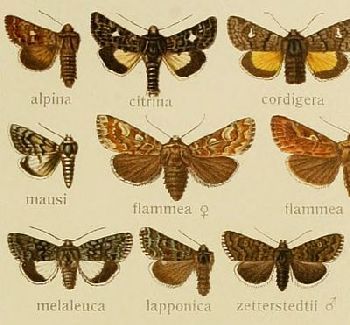
We've all been there: frantic shuffling of chairs, shrill screams, people running around in a panic, and desperate calls for a newspaper or the bellowed command: 'Open the window, for goodness' sake!' It's certainly not a major disaster, like a gas leak or a house fire. More often than not, it's simply a moth paying a visit. These butterflies usually take to the air at dusk. Moths are drawn to light, and as soon as it gets warmer, they find their way into people's homes.
Nocturnal moths make quite a racket when they fly because, by the time we notice one of these little creatures, it's usually a large one whirring around our artificial light sources like a miniature helicopter. People who cry out in delight when they spot a pretty butterfly in the garden often feel horrified when a nocturnal member of this species comes near them. The prevailing feeling is fear of being unexpectedly touched by these creatures – in other words: revulsion. Some people react just as hysterically to moths as they do to spiders, for example. Yet it is actually well worth taking a closer look at these evening visitors.
Of course, they do not display the wonderful colours that their diurnal cousins do. Moths tend to be rather inconspicuous. But that is only at first glance. They rely more on understated elegance, but make up for this with their exquisite wing patterns. Some moths have wings adorned with the finest mother-of-pearl, while others boast beautiful hints of copper. Rich gold and variations of a silvery sheen are not uncommon. Very large moths often have a small tuft of fur, giving them a bear-like appearance.

Then there are those special cream-coloured moths that appear to be clad in ermine. They have white fur collars with dark speckles and carry themselves with a touch of majesty. Perhaps these little royals interpret our shrieks and jumping about when they appear as homage. Some may harbour a secret, as their wings bear finely painted characters on a delicately shimmering background that is reminiscent of Asian script.
There is absolutely nothing repulsive about these beauties. They do not bite or sting. They are odourless and not aggressive. No diseases are known to be transmitted by them. They cannot help but visit our homes and circle around the lamps. Moths follow their instincts, which have absolutely nothing to do with us.
If one of these large nocturnal moths brushes past us, we may be surprised or startled by the touch. However, the touch is so light and fleeting that it makes you wonder why we feel the need to avoid it so desperately, to the point where the whole family is thrown into disarray and things get broken. It would probably be easier to catch the little creatures and carry them outside.
So, next time one of these little beauties pays you a visit, try to keep calm and admire the variety of their designs. In fact, there is a great deal of hidden beauty to be found during the warmer months: Have you ever noticed the beautiful golden eyes of these little green lacewings?
© 'Mesmerising nocturnal visitors: Moths. Hidden beauties with secret messages': An article by Winfried Brumma (translated by Izabel Comati), 09/2026. The illustration shows various moths, CC0 (Public Domain Licence).
– Marzipan: A Persian delicacy and remedy
– A mirror game with brunette and blonde
– Those who understand the present are ready for the future
Discover more articles! Use the search function:
English archive:
More reviews, book presentations and essays
2024/2025
German archive:
2025 |
2024 |
2023 |
2022 |
2021 |
2020 |
2019 |
2018 |
2017 |
2016 |
2015 |
2014 |
2013 |
2012 |
2011 |
2010 |
2009
Become a writer for Pressenet! Write articles for our online magazine on trending topics such as best books to read, health and wellness, technology and gadgets, business and finance, travel and tourism, lifestyle and fashion or education and career. Info: Become an author
Sponsors and investors are welcome: If you found our articles interesting, we would be grateful for a donation. Please also recommend us to your networks. Thank you very much!





Sitemap About Privacy Policy RSS Feed